
Please ensure Javascript is enabled for purposes of website accessibility

Testing Methods in U.S. Regulated Cannabis Markets

04.21.2026

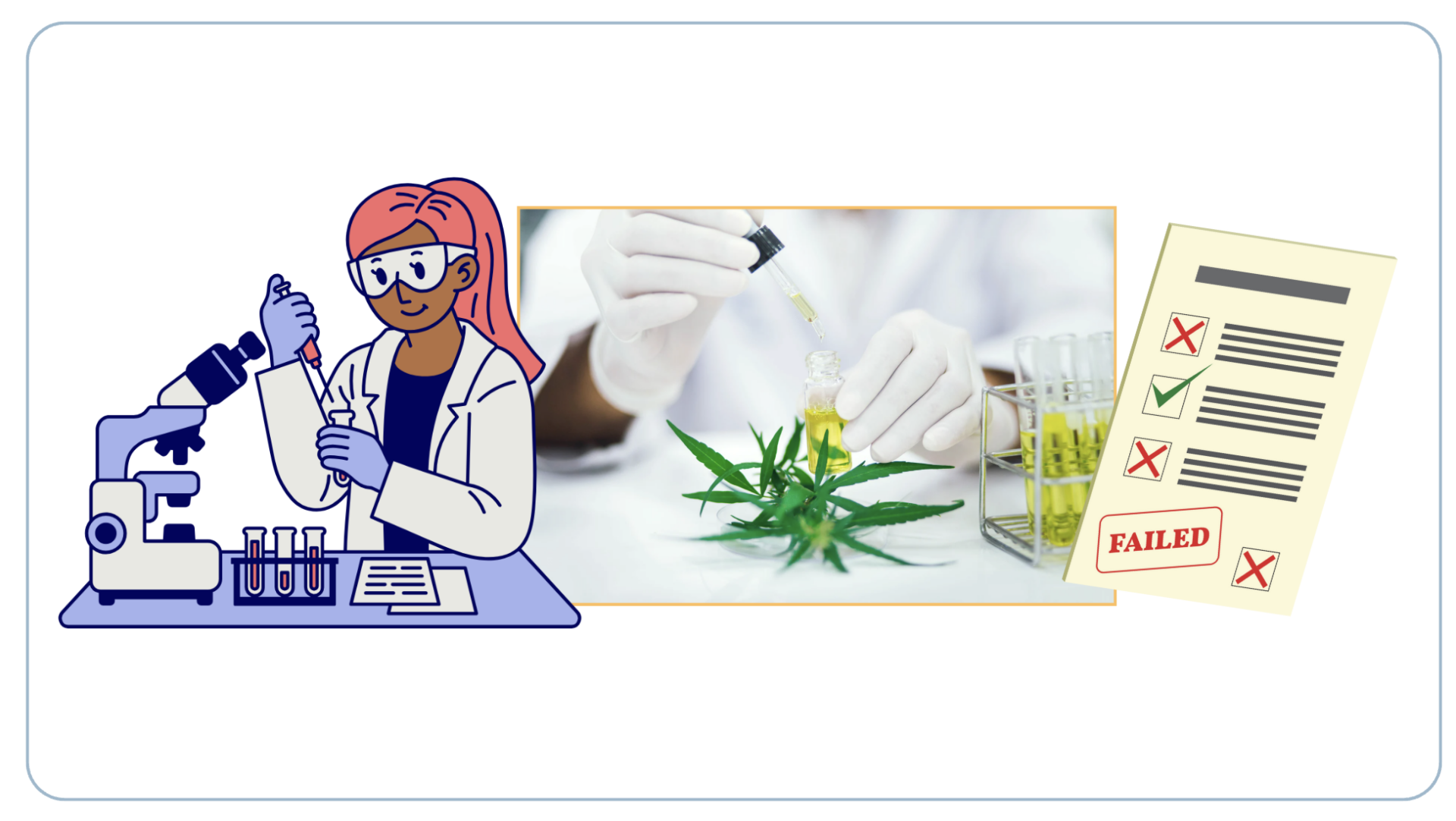
There are many different methods laboratories use to test the quality and value of cannabis. Here are some of the most common testing methods that laboratories use when testing operators’ harvests:
  • Potency: Cannabis potency testing characterizes the presence level of cannabinoids in a sample. THC, CBD, and CBN, the most common cannabinoids, are quantified to determine potency. It is crucial to inspect the levels of these cannabinoids as these heavily influence the effects of a cannabis product.
  • Cannabinoid Characterization: Cannabinoid profiling is used to accurately identify the presence of cannabinoid compounds. This helps determine the level of medical efficiency of a cannabis product.
  • Heavy Metal Screening: Large-scale cannabis production is sometimes located on former industrial sites that may have contaminated the soil with various metals. Cannabis plants can be sprayed with pesticides or fertilizers containing heavy metals such as cadmium, lead, arsenic, or mercury. Due to this potential health hazard, heavy metal screening is performed to detect their presence.
  • Herbicides & Pesticides: Chemicals such as herbicides and pesticides are tested and quantified during cannabis analysis. Because chemicals can migrate through water, air, soil, and other organisms, some compounds are harmless. However, there can also be toxic properties that cause severe health damage. States require pesticide and herbicide screening to ensure that cannabis products do not contain these dangerous residues.
  • Fungal & Mold: Total Yeast and Mold (TYM) tests are done to identify yeast and mold contamination in cannabis. Many states mandated total yeast and mold counts. This is enforced by cultivating an environment for yeast and mold to grow, then incubating for 24 to 48 hours for the microorganisms to multiply. Other states use a molecular biology technique called PRC to detect harmful mold strains through DNA analysis.
About the Author Monique Lucero

After studying at the Universita di Trieste, Monique became interested in international relations, advocacy, and interpersonal relations. Over the past 15 years, she has gained diverse experience in the corporate world, working for engineering firms, nonprofits, and banking for the last 8 years. As an NCS Relationship Manager, Monique applies problem-solving skills, an understanding of client needs, and the ability to adapt to each situation. Outside of NCS, she has taken on a role as a Doula and Reiki healer for her community. Due to her passion for holistic healing, she is naturally interested in studying more about herbal/natural remedies.

Recent Insights

Receive Key Insights